
Estandarización contractual: cómo la tecnología (CLM) agiliza el cierre de negocios de forma segura
Cada negociación que se detiene por un contrato mal versionado, una firma que nadie sabe dónde quedó o una cláusula…
An employment contract in Peru is a legal agreement between employer and employee that regulates salary, working hours, benefits, rights, and obligations. It may be for a fixed term or indefinite duration and must comply with current regulations to avoid legal contingencies.
Yes. Both fixed-term and indefinite contracts grant the same social benefits (CTS, bonuses, vacations, among others). The difference lies in the company’s labor regime (MYPE regime, general regime, or special regime by sector).
If the employee continues providing services after the expiration date of a fixed-term contract, the law automatically converts it into an indefinite-term contract, granting job stability.
Fixed-term contracts in Peru cannot exceed a total of 5 years, although the regulations recognize different types of temporary contracts depending on the company’s needs.
Advisory on dismissals allows companies and employees to comply with the law when terminating an employment relationship. This includes respecting deadlines, acquired rights, and procedures regulated by the Law on Labor Productivity and Competitiveness.
A justified dismissal must follow due process: notification through a pre-dismissal letter, granting a period for the employee to submit their defense, evaluation of the response, and finally, the dismissal letter. All of this under the principle of immediacy.
Yes. If the employer considers the employee’s defense valid, they may revoke the dismissal and maintain the employment relationship.
Dismissal does not affect accrued social benefits. The employer must pay them within a maximum of 48 hours after termination.
Social benefits in Peru are mandatory labor rights that companies must comply with. These include vacations, CTS (Compensation for Time of Services), bonuses, profit sharing, and family allowance.
Yes. The employee is entitled to the so-called “triple vacation pay”: payment for unused leave, payment for work performed during that period, and an equivalent indemnity.
Compensation for Time of Services (CTS) is deposited twice a year: in May and November. Non-compliance results in penalties for the employer.
No. Only companies with more than 20 employees are required to distribute profits.
Every company in Peru must have internal work regulations (IWR), job description manuals (JDM), occupational health and safety regulations (OHSR), and workplace harassment prevention policies, in compliance with current regulations. Our team provides advisory services for the drafting, updating, and implementation of these documents, ensuring they are tailored to each organization’s industry and needs.
Which companies are required to have Internal Work Regulations (IWR)?
Companies with more than 100 employees must have an approved and current IWR.
Is the Occupational Health and Safety Regulation (OHSR) mandatory?
Yes, all companies with dependent employees must implement an OHSR.
What happens if a company does not have workplace harassment prevention policies?
It may face fines from Sunafil and be exposed to lawsuits for non-compliance with labor regulations.
Sunafil labor inspections are becoming increasingly frequent and may result in significant fines. Our team provides preventive legal support and assistance during inspections, ensuring that the company responds properly to requirements and minimizes the risk of sanctions.
It generally requests payroll records, employment contracts, pay slips, attendance records, and occupational health and safety documents.
The inspection must be allowed, and a legal representative should be designated to attend the inspector. Having immediate legal advice is key to avoiding contingencies.
Fines for lack of employment contracts, non-compliance with health and safety obligations, labor informality, or absence of internal policies.
Labor training is essential to prevent legal risks and ensure that employers and employees understand their rights and obligations. We offer programs tailored to each organization, with a practical approach to hiring, occupational health and safety (OHS), workplace harassment, equal opportunity, and other key topics.
Yes, in matters of occupational health and safety, equal opportunity, and prevention of workplace harassment.
It reduces the risk of sanctions, improves the work environment, and strengthens company productivity.
In some cases, Sunafil allows training to be part of corrective measures, but it does not replace imposed fines.
At Gálvez Monteagudo Abogados, we provide comprehensive labor law advisory services in Peru, covering all aspects that impact companies and employees: from wage inequality, dismissals, workplace harassment, outsourcing, and data privacy, to Sunafil inspections.
We are a leading firm for companies, micro and small enterprises (MSEs/SMEs), and individuals who need to navigate the increasingly complex labor landscape. Our team offers support both in preventing contingencies and in defense during litigation, always with a practical, strategic, and results-oriented approach.
Our Labor Law services include:

Cada negociación que se detiene por un contrato mal versionado, una firma que nadie sabe dónde quedó o una cláusula…

Una fiscalización inopinada no avisa. El inspector de la Superintendencia Nacional de Fiscalización Laboral (SUNAFIL) puede presentarse en cualquier momento…

Se produce cuando el trabajador da por terminada la relación laboral debido a las conductas hostiles atribuibles al empleador, generándose…

En un entorno cada vez más orientado a encontrar el equilibrio entre el trabajador y su vida familiar, comprender adecuadamente…
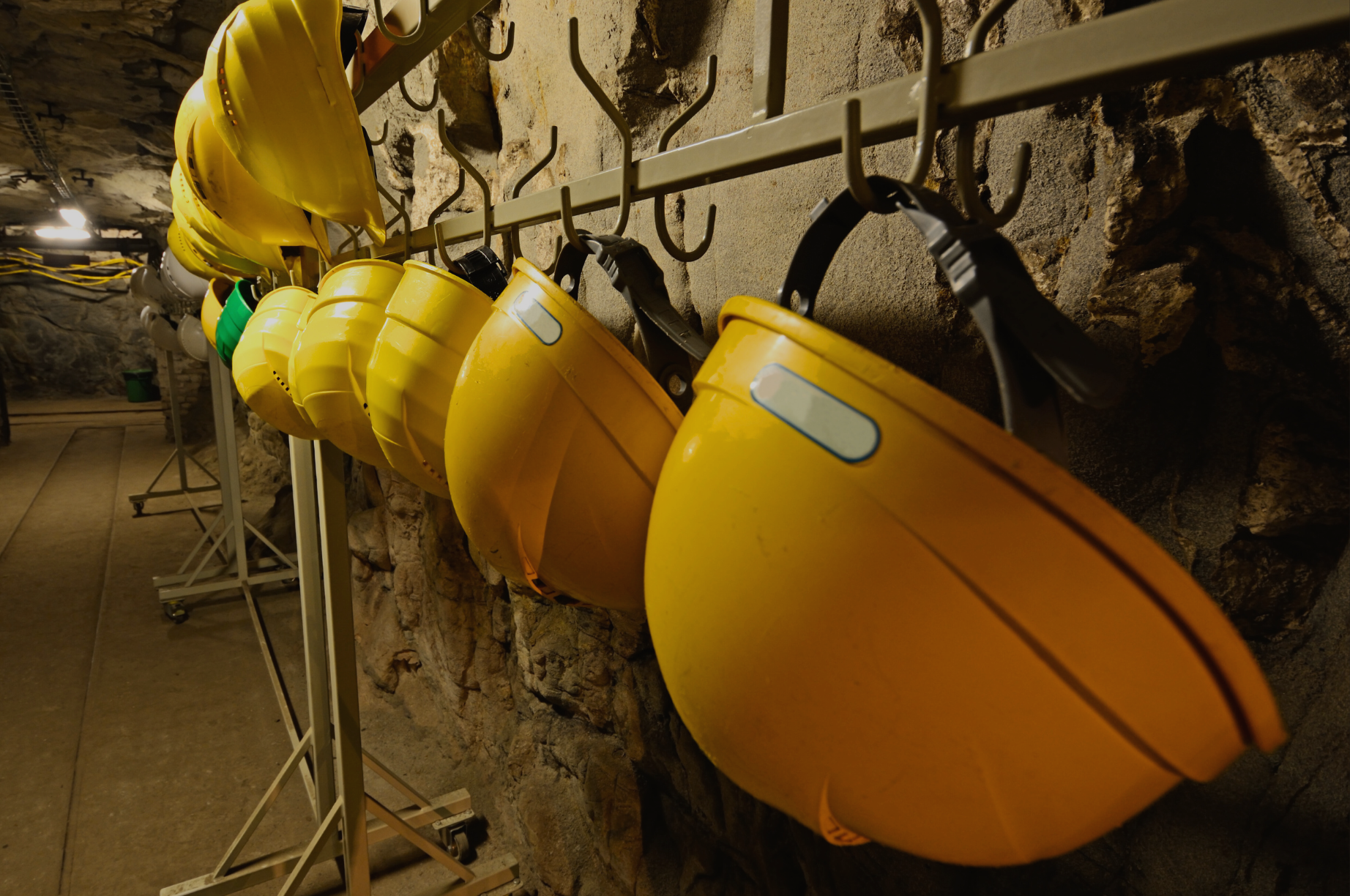
El accidente ocurrido el pasado 22 de abril en el campamento Yanacancha de la Minera Antamina —donde un volquete impactó…

Al celebrar un contrato laboral en Perú, es fundamental que el documento cumpla con ciertas cláusulas básicas que protejan tanto…
La promulgación de la Ley de Modernización del Sistema Previsional marca un hito en el esfuerzo por garantizar una jubilación…
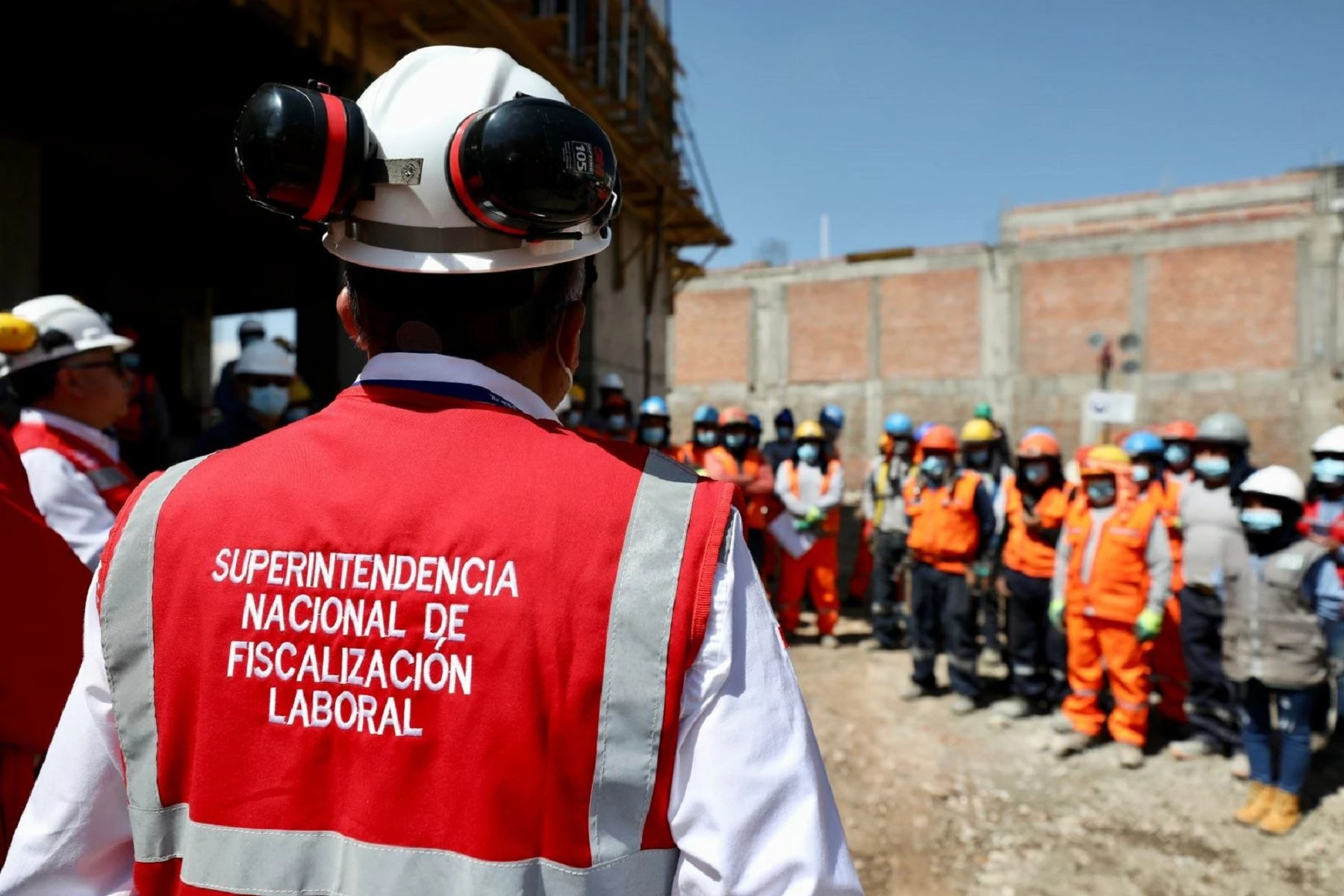
Con fecha del último 13 de agosto de 2024, la Superintendencia Nacional de Fiscalización Laboral – SUNAFIL inició un proceso…

Con fecha 23 de febrero de 2022 en edición extraordinaria de El Peruano, mediante Decreto Supremo N° 001-2022-TR, se ha…

SE DEBERÁ OTORGAR LICENCIA POR VACUNACION A TRABAJADORES Mediante la Ley N°31334, publicada el día sábado 07 de agosto de…

Mediante la Ley N°31246, publicada el 25.06.2020 se ha modificado los artículos 49 y 60 de la Ley de Seguridad…
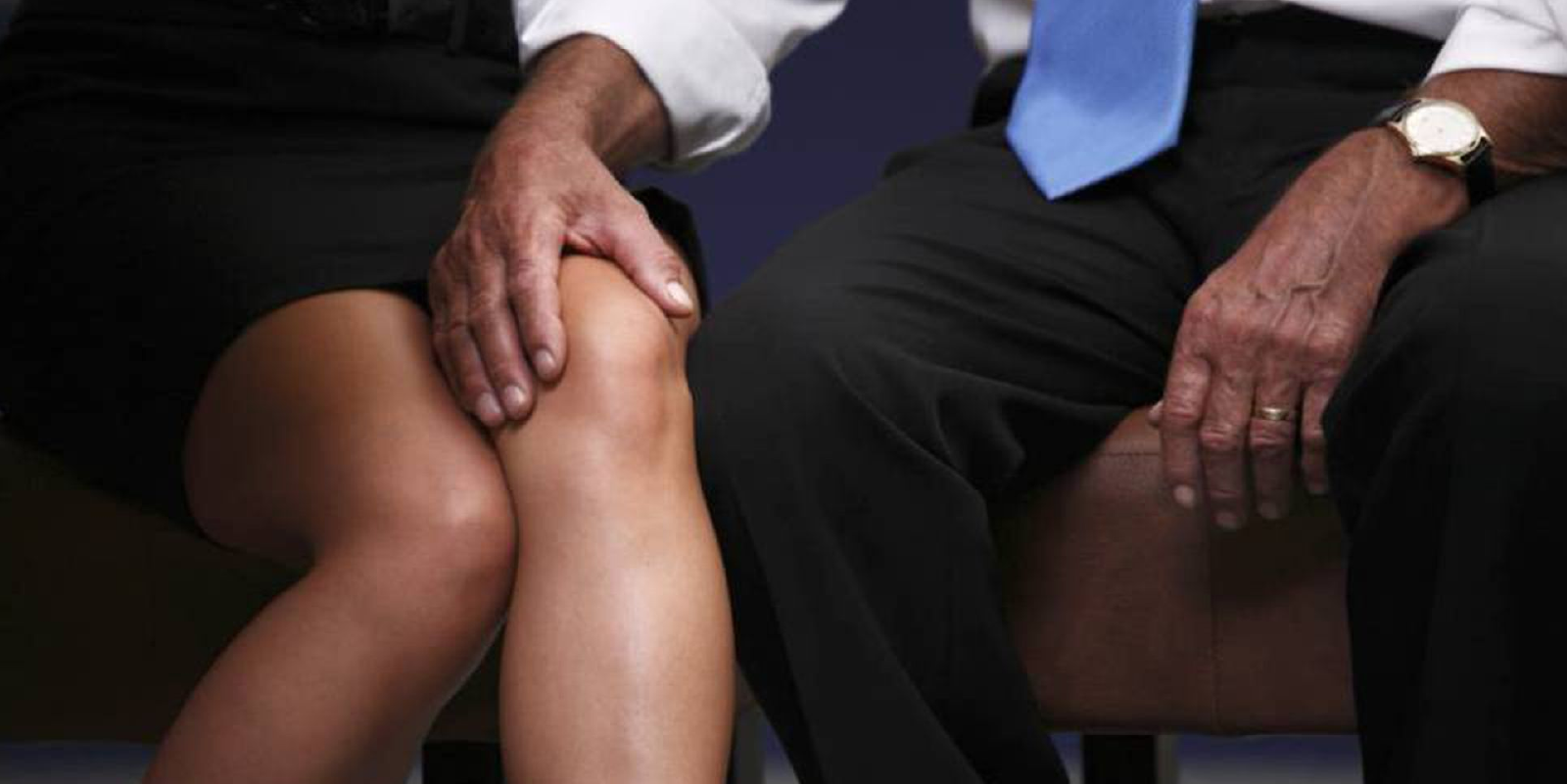
La Superintendencia Nacional de Fiscalización Laboral, emitió el Protocolo de Fiscalización en Materia de Hostigamiento Sexual conforme consta en la…